Tuesday, 31 July 2012

Learn How To Lower Risk For Diabetes?

If you, or a loved one, has diabetes, remember that knowledge is power. The article below has tips and ideas to help you combat this disease and lead a happy and healthy life. If you don't do something about it now, you will be looking at greater problems in the future.

  • Try to control the stress in your life. People that have diabetes often experience a rise in their blood glucose when under stress. Look into different methods of relaxation to help yourself calm, such as yoga and meditation. In addition, there are a number of breathing exercises that you can teach yourself. Since you can do them anywhere, they are ideal.
  • Make sure you speak with your doctor if you are having vision problems and are diabetic. A number of different vision problems can be caused by diabetes, such as diabetic retinopathy, cataracts, and glaucoma. You must attend to these problems right away to avoid possible vision loss and/or blindness.

Diabetic retinopathy

  • There are tons of protein options, include dairy, eggs and legumes. You will enjoy eating more if you diversify things.
  • It is tough to be told that your child has diabetes, but there is so much you can do to make it easier for them. These days, many people have diabetes, and treatments have improved so much that children with diabetes can live quite normally. The oldest living diabetic is 90, and he was born before many of the treatments we have now.
  • You should test yourself for sleep apnea if you suffer from diabetes. If sleep apnea is a problem for you, then get treatment now, before it has a chance to impact your health.
  • If you skip meals, your sugar levels are going to increase because your liver releases glucose to sustain the fuel your body needs when you aren't consuming adequate nutrition. Making sure to eat regular meals, along with healthy balanced snacks, will give your body a break and keep it from over-producing glucose.
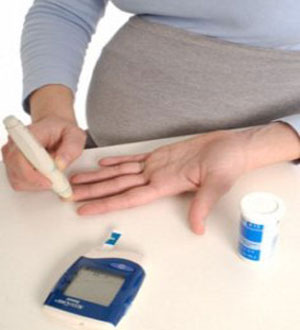
  • Develop a "testing ritual" that you follow every time you test your blood sugar. As an example, keep your blood sugar meter and your insulin near each other and use them at the same time each day if needed. Stick to a routine when testing your blood sugar, and you are less likely to miss a step or forget to log your levels.
  • Simplify your life with organization and routine. For instance, when you go to bed at night, leave your insulin and measuring meter in the same part of the room so that you know where they are when you get up. When testing, keep track of it as a routine so that you don't forget any steps. Also, try to jot down your numbers.
  • Many items on store shelves have this ingredient, so make sure you're choosing products without it before you put them in your cart. Most soda drinks contain high fructose corn syrup, but so does ketchup, so check the labels. It can also be labeled "glucose/fructose".
  • Add vinegar to the food you eat. Adding just a bit of vinegar can keep your glucose levels from rising as quickly when you eat. Vinegar works by slowing down the digestion of starch, keeping food in your stomach for a longer period of time.
  • One of the most important duties you have as a diabetic is to maintain regular appointments with your doctor or medical provider. Diabetes can usually not be cured. So, continual attention, management and prevention to stop the worsening of your condition are all critical priorities. Diabetes does not need to disrupt your life, if you follow a program to manage it properly.
  • If you have diabetes, you must keep your medical appointments. Diabetes can usually not be cured. That's why it is so important to keep track of your illness and how treatment is working; you have to stop it from worsening. Diabetes does not need to disrupt your life, if you follow a program to manage it properly.
  • It is essential to not rely completely on the urine ketone assessment for examining your blood glucose. High ketone levels within the urine indicate merely that your blood sugar is roughly greater than 200 milligrams per deciliter (mg/dl). Use a home glucose gauge to assess the exact amount of sugar in your blood as a replacement. The American Diabetes Association (ADA) considers such type of tests to be significantly more precise than urine screening.

The management techniques you learned in this article can help you keep diabetes under control and improve your quality of life. Remember that the information laid out here is just a bit of the information available, so keep learning all you can about managing your diabetes.

How To Protect From Diabetes Complications

It might seem like diabetes is an occupation that takes up all your time, and that there is no other time for finding information about living well in spite of the disease. Finding some new ideas that will help you cope with diabetes can be a quick and fast job using the tips in this article.

  • Replace your usual three meals with five or six smaller meals. Eating regularly throughout your day stabilizes your blood sugar levels. You will be more satiated and less likely to binge if your eating is more frequent.
  • You need to be aware of all foods that have high glycemic index, which can raise the level of blood sugar quickly in your body. Foods with a high carbohydrate or sugar content include breads, cereal and most fruit juices. Processed foods are not good for your sugar levels. Try replacing processed foods with the usual suspects: meats, seafood, fruits, and vegetables.
  • One of the key things you need to understand is what ketoacidosis is and what causes it. This condition is increased acid in the bloodstream and occurs because of blood sugars that are incredibly high. This calls for ketones to be produced by the body, and they raise your blood acid level. Untreated ketoacidosis can put you into a diabetic coma, so it isn't to be trifled with. Confusion, excessive thirst, and breath that smells fruity are all symptoms. You can treat these symptoms with insulin as well as making sure to get yourself hydrated. To prevent this from happening, blood sugar levels should be monitored regularly, take your prescribed dosage of insulin and develop a keen awareness of the signs and symptoms of ketoacidosis.

Diabetic ketoacidosis

  • The glycemic index is a number that reflects how much effect different foods have on your blood sugar level. Select foods with a low glycemic index.
  • A common diabetic myth is that you have to avoid sugar. There is no need to cut sugar out entirely, but you do need to be vigilant about what sweets you eat. Portion control is key along with keeping the frequency of these treats low. If you do choose to indulge, you should compensate by cutting carbohydrates from your meals that day.
  • Remember that diabetics must be extremely cautious when having a pedicure. Since diabetics are at an increased risk for foot-related complications, it is especially important to safeguard against possible fungal infections or cuts.
  • Even if you're feeling sick and not hungry, a diabetic needs to be more careful about how and when they eat. Low glucose levels will lead to dehydration, so keep water handy.
  • Chocolate has a lot of fat in it, yet it contains a lot of sugar. Fat is processed by the body slowly, which makes it harder for chocolate to help quickly when you have a low. Fat-free snacks with a high sugar content are preferable when you are experiencing low blood sugar levels. They release their sugars faster and can quickly bring your blood sugar level back into the normal range.
  • Almonds are a great snack to fill you up without affecting your blood sugar levels. Unsalted almonds are filled with protein, fiber and many other nutrients that are very healthy. Fill a bowl with almonds for snacks you can grab whenever you feel hungry.
  • Diabetics are at risk of many foot problems. Being careless with your feet, such as walking around barefoot, can lead to complications which might have to be cured through amputation. Follow these points, and the good advice of your diabetic specialist, to make sure your feet remain in tip-top shape.
  • No employers are not allowed to dismiss applicants because they have diabetes. Thus, it is not necessary to inform anyone about your medical issues up front.
  • Don't stuff your face with food, if you suffer from hypoglycemia. While it is important to get adequate sugars from the diet, excess sugar gives higher blood sugar levels, and this causes even more negative problems for the body.
  • It is very important not always rely only on the urine ketone test for evaluating your blood sugar. High ketone levels within the urine signify only that your blood sugar is roughly greater than two hundred milligrams per deciliter (mg/dl). Use a home glucose gauge to check the precise amount of glucose inside your blood as an alternative. The American Diabetes Association (ADA) looks at such type of tests to be far more accurate compared to urine evaluation.

Sometimes, certain kinds of diabetes have a cure. Remember that adapting your lifestyle is really in your best interest. The above advice will provide you some assistance, but it can't be completely depended on to solve all your problems. The rest is yours to do.

Saturday, 28 July 2012

Tips To Keep Going With Diabetes

In simple terms, what happens when you have diabetes is your body doesn't have the capabilities to product the correct amount of insulin in your body so that it can regulate blood sugar levels throughout your day. This may seem like something that is not very hard to manage, but it is in fact quite difficult. Remember the tips listed in the article to make it easier.

  • Fast-acting insulin shots are usually best taken a few minutes before a meal. Fast-acting insulins can be a very effective for maintaining blood sugars, but only if they are properly dosed and timed for each individual.

Fast-acting insulins can be a very effective for maintaining blood sugars.

  • Try to be careful getting a pedicure if you have diabetes.. Diabetics are more prone to getting infections on their feet, and should take extra care to prevent puncture wounds or cuts.
  • Keep all your items in one bag, but have several bags scattered around so that you are always prepared. Keep syringes, insulin and hooks for your meter in a bag so you're always prepared.
  • Diabetes is surrounded with horror stories about amputations and blindness. These types of things will not happen if you know how to take care of yourself. Realize that a healthy, happy and productive life can still continue after being diagnosed with diabetes.
  • A common diabetic myth is that you have to avoid sugar. There is no need to cut sugar out entirely, but you do need to be vigilant about what sweets you eat. Portion control is key along with keeping the frequency of these treats low. If you do choose to indulge, you should compensate by cutting carbohydrates from your meals that day.
  • Seek out new ways to keep your favorite dishes but have them healthier. There is absolutely no reason to stop eating all of your favorite foods. Research different ways to prepare these foods without the unhealthy ingredients. Diabetic cookbooks are full of scrumptious recipes designed for people with diabetes.
  • Should you suffer from adult onset diabetes, an amazing spice you can add to your foods without adding calories, sugar and also sodium to your diet program, is cinnamon. Cinnamon brings out the natural sweetness within certain foods without the added sugar that could bring up blood sugar levels. Some researchers believe cinnamon can easily reduce blood sugar levels.
  • Keep your supplies in one area so that you will find them easier in an emergency. Have back up bags prepared and stored in other places just in case. The bag you take everywhere should contain insulin, syringes and meter hooks.
  • Your sugar levels might spike if you have just treated a low glucose level. This is caused by one of two factors: your body responds to low glucose by releasing hormones, and you may actually be eating or drinking more than is necessary in response to lowered glucose levels. The next time, try to drink or eat half of what you normally do, then check the levels again after a half hour.
  • Many online pharmacies offer steep discounts on popular diabetes medications. You can usually set up a regular delivery schedule, so that you can't forget to order it.
  • Do all you can to keep your stress level low. Diabetics need to watch their glucose levels, and glucose levels are influenced by the stress in your life. Try some different ways to relax and calm yourself, yoga or meditation is a great tool. You may also want to consider different breathing techniques. These are great, because you can do them anywhere.
  • No employers are not allowed to dismiss applicants because they have diabetes. Thus, it is not necessary to inform anyone about your medical issues up front.
  • Keep your meal schedule consistent. Whenever you skip or postpone a meal, your blood sugars are affected a great deal. When this glucose is combined with the elevated glucose levels of the typical type 2 diabetic, it can cause a dramatic sugar spike.

With that advice, you should be positive about your ability to take control of your diabetes. Remember this article's information will only be useful if you implement it, so start making positive changes today.

Friday, 27 July 2012

Advice On How To Live With Diabetes

In simple terms, what happens when you have diabetes is your body doesn't have the capabilities to product the correct amount of insulin in your body so that it can regulate blood sugar levels throughout your day. This may seem like something that is not very hard to manage, but it is in fact quite difficult. Remember the tips listed in the article to make it easier.

  • gestational diabetesMake sure you talk with your physician if you're pregnant and feel you might have gestational diabetes. If you don't control your diabetes, it harms both you and your baby. Your doctor can advise you on how to eat and if you need any medication.
  • Glucose tablets are an option for the hypoglycemic. These tablets generally come in small containers that fit in a purse or pocket, and can quickly boost your blood glucose levels.
  • Diabetes can be hard to manage at first. If you put all of your readings as well as treatments in a journal, you can take that to your doctor, and it will be very beneficial. Take the journal with you to your doctor so it helps him to understand where you are with your condition, and also, he will be able to manage your techniques more carefully.
  • Never rely only on urine ketone tests to measure the amount of glucose in your blood. A high ketone level indicates that your blood contains 200 milligrams of sugar per deciliter. Readings should be recorded to find patterns and to give your physician an accurate report.
  • Smoking is not a habit a diabetic should start, or continue. Diabetes and the effects of smoking can both inhibit blood flow. Even worse, it can cause quite a spike in blood sugar levels. Your doctor can help you to determine the best way to beat your nicotine addiction.
  • Seek out new ways to keep your favorite dishes but have them healthier. There is absolutely no reason to stop eating all of your favorite foods. Research different ways to prepare these foods without the unhealthy ingredients. Diabetic cookbooks are full of scrumptious recipes designed for people with diabetes.
  • Make your favorite comfort foods more diabetes-friendly. Many people find the most difficult aspect of diabetes is its restrictive diet. Many assume they have to stop eating these favorite foods entirely. For others, the temptations of their favorite dishes will overcome dietary restrictions. The healthiest solution is using tasteful substitutions to recreate more healthy versions of your favorite dishes. Many dishes can turn into diabetes-friendly meals by using healthier ingredients as alternatives when cooking.
  • Diabetics are at risk of many foot problems. Being careless with your feet, such as walking around barefoot, can lead to complications which might have to be cured through amputation. If you follow these suggestions, you can maintain good health for your feet despite your diabetes.
  • Watching your diet carefully is important when you are diagnosed with diabetes. Your blood sugar will be effected differently by various foods, so keep track of what you eat and how it will impact your blood sugar. Large meals will need larger doses of insulin to process, and small meals require less. If you watch your meals, you can actively manage your glucose levels.
  • Add vinegar to the food you eat. Adding just a bit of vinegar can keep your glucose levels from rising as quickly when you eat. Vinegar works by slowing down the digestion of starch, keeping food in your stomach for a longer period of time.
  • Changing your diet can be a great way to help lower your risk factor of contracting diabetes, and switching out fats and sugars with fiber is a great place to start. Choose whole wheat and whole grain foods over their processed counterparts, like white bread, which have a dangerously high glycemic index. Study after study concludes that individuals who eat more whole grain have a much lower risk of contracting diabetes.
  • Don't stuff your face with food, if you suffer from hypoglycemia. While it is important to get adequate sugars from the diet, excess sugar gives higher blood sugar levels, and this causes even more negative problems for the body.
  • It is important to not depend solely on the urine ketone test for examining your blood sugar. High ketone levels in the urine suggest just that your blood glucose is approximately greater than 200 milligrams per deciliter (mg/dl). Begin using a home glucose gauge to measure the exact amount of glucose inside your blood as an alternative. The American Diabetes Association (ADA) looks at this type of assessment to be a lot more precise compared to urine evaluation.

Take some of the stress out of living with diabetes by applying the above tips to your everyday routine. Use these tips to continue living a healthy, happy and fulfilling life despite your diabetes.

Tuesday, 24 July 2012

Advice On How To Live With Diabetes

Many people, who've been told that they have diabetes, believe that it is impossible to live a normal life. Read the tips in this article to learn about managing this disease, so that you can live a life that is as normal as possible. Applying the advice in this article to your life only happens if you make a deliberate choice to do so.

  • Don't disconnect when you are diagnosed with diabetes. It is important that you listen to and apply the advice your doctor gives you. You don't have to give up your life because of a diabetes diagnosis.
  • Research has shown that exercise makes insulin sensitivy increase, and also lowers blood glucose levels. This helps control these levels naturally. To get the full benefits of exercise, alternate between aerobic and cardiovascular workouts.
  • If you are a diabetic and you smoke, it would be wise to try to kick the habit. Smoking is really bad for those with diabetes because it has the ability to raise blood sugar dangerously high. If you want to quit and seem to be having a hard time, talk to your doctor.
  • Green tea is very helpful for those with diabetes. Green tea can not only raise your metabolism, but it can also help flush toxins from your body.
  • Should you suffer from type ii diabetes, a great spice you can add to your foods without adding calories, sugar or sodium to your diet plan, is cinnamon. Cinnamon brings out natural sweetness within specific foods without the presence of added sugar that may boost your blood sugar. Some researchers believe cinnamon can lower blood sugar levels.
  • You can save money by getting your diabetes medications from a website. It is often possible to set up recurring deliveries to prevent running out of your supplies.
  • If you want to add a nutritious touch to your salad, throw in some walnuts! Walnuts contain monounsaturated fats. These fats are great at helping to control diabetes. In addition, they contain antioxidants, minerals, omega-3s and vitamins. They also boost your energy and taste delicious!

Add walnuts to a diabetic's salad.

  • Keep your supplies in one area so that you will find them easier in an emergency. Have back up bags prepared and stored in other places just in case. The bag you take everywhere should contain insulin, syringes and meter hooks.
  • Simplify your life with organization and routine. For instance, when you go to bed at night, leave your insulin and measuring meter in the same part of the room so that you know where they are when you get up. When testing, keep track of it as a routine so that you don't forget any steps. Also, try to jot down your numbers.
  • Handfuls of almonds can satiate you enough to slay your hunger spikes without disturbing your glucose levels. They'll provide your body with important nutrients that it needs, like fiber and protein. When you are craving a snack in the evening, keep a bowl in the living room so you can munch on them while you watch television.
  • Research has shown that exercise makes insulin sensitivy increase, and also lowers blood glucose levels. This helps control these levels naturally. A combination of resistance exercises and aerobic work outs will produce optimum results.
  • You will be able to deal with your condition more easily if you organize yourself. For instance, when you go to bed at night, leave your insulin and measuring meter in the same part of the room so that you know where they are when you get up. When you test, make it a routine so you never forget a step or to write down your levels in your log.
  • If you have diabetes, you must keep your medical appointments. Diabetes can usually not be cured. That's why it is so important to keep track of your illness and how treatment is working; you have to stop it from worsening. Diabetes does not need to disrupt your life, if you follow a program to manage it properly.

In conclusion, dealing with diabetes involves living a proper lifestyle. Leading a lifestyle that feels natural to you can lessen the chances of side effects that have debilitating consequences.

Saturday, 21 July 2012

How To Reverse Diabetes Naturally?

Diabetes is a really serious disease and can devastate one's life. It is absolutely essential that people arm themselves with enough knowledge to live a long and healthy life when they have diabetes. Tips to help a diabetics learn these are contained in this article.

  • Don't disconnect when you are diagnosed with diabetes. It is important that you listen to and apply the advice your doctor gives you. You don't have to give up your life because of a diabetes diagnosis.
  • Make sure to read the nutrition labels as many common foods contain this. If it has corn syrup, back to the shelf it goes. It can also be labeled "glucose/fructose".
  • Follow the directions for diabetic medication carefully. Sometimes, diabetes symptoms can be undetectable; therefore, it is critical that you take your prescribed dosage of medication at the prescribed time each day. If you have questions about your medication or are concerned about side effects, talk to your doctor. Always take medication as prescribed and never discontinue your medication without talking to your doctor.
  • Diabetes is surrounded with horror stories about amputations and blindness. These types of things will not happen if you know how to take care of yourself. Realize that a healthy, happy and productive life can still continue after being diagnosed with diabetes.
  • A common diabetic myth is that you have to avoid sugar. There is no need to cut sugar out entirely, but you do need to be vigilant about what sweets you eat. Portion control is key along with keeping the frequency of these treats low. If you do choose to indulge, you should compensate by cutting carbohydrates from your meals that day.

The Diabetic Portion Control

  • Lower your diabetes risk by eating a diet high in fiber. The consumption of whole grain foods reduces the consumption of the more high glycemic foods, such as white bread, and this can lower your diabetes risk. There have been studies done that have shown that when people eat more whole grains, they have less of a risk of developing diabetes.
  • It is extremely important to be aware of and control gestational diabetes, so if you have any suspicion or indication of this condition, immediately consult your doctor. By not controlling gestational diabetes, you are putting the health of yourself and your baby in jeopardy. There are many safe medications you can take while being pregnant, and your doctor can not only provide those to you, but they can also give you advice on what foods are best to eat.

Gestational diabetes

  • Season your meals with vinegar. Ingesting vinegar, before you eat your meals, can keep your blood sugar from going up too fast when you eat. Vinegar slows the speed of starch digestion, and can keep digested food in the stomach for longer.
  • Always remember to take your diabetes medicine as directed. You must take your medication properly and at the specific times you are told. Do not let symptoms unnoticed fool you. One of your greatest resources will be your doctor. Any time you happen to experience a new side effect or have a serious question about a trouble you are facing with your medication or treatment plan, he or she will do their best to offer advice and guidance from a purely medical standpoint. Never quit taking your prescribed medication without first consulting your doctor.
  • It's important to remember why you choose to keep your diabetes under control. Stay conscious of the hobbies and activities you enjoy that rely on your good health. How can diabetes affect those hobbies if not controlled? By staying focused on what's most important, you'll remain motivated in your diabetes management.
  • When you have diabetes you should know the symptoms of having blood sugar that is out of control, some of these are being overly hungry or thirsty, urinating a lot, or blurry vision. If you are experiencing any of these symptoms, take out the monitoring test, and if needed, promptly administer the insulin.
  • If you have diabetes, you must keep your medical appointments. Diabetes can usually not be cured. That's why it is so important to keep track of your illness and how treatment is working; you have to stop it from worsening. Diabetes does not need to disrupt your life, if you follow a program to manage it properly.
  • It is important to not always rely just on the urine ketone analysis for monitoring your blood sugar. High ketone levels in the urine signify merely that your blood sugar is roughly greater than two hundred milligrams per deciliter (mg/dl). Make use of a home glucose meter to check the actual amount of sugar inside your blood instead. The American Diabetes Association (ADA) looks at such type of testing to be far more precise than urine screening.

There is a wealth of information that can help you live a healthier life with diabetes. Diabetes can be a life altering dark cloud until you take the right measures to control it. Use the information you learned here to get started and make sure you work hard to get rid of that dark cloud.

Tips To Take Control Of Diabetes

Many people, who've been told that they have diabetes, believe that it is impossible to live a normal life. Read the tips in this article to learn about managing this disease, so that you can live a life that is as normal as possible. Applying the advice in this article to your life only happens if you make a deliberate choice to do so.

  • If you have diabetes, and you like to snack, it might be hard to walk by the vending machines at work, or the wonderful tasting snacks in your pantry. You should avoid giving in to this temptation. Instead, consume a food with complex carbohydrates like fruit and vegetables.
  • Do not overeat if you suffer from hypoglycemia. You need enough sugars, but too much can elevate your blood sugar level, causing negative effects.
  • Having a kid who has diabetes can be very frustrating, but you will be able to deal with it. It is possible for your child to live a good life due to the fact that a large number of medications are available that make it simple to manage diabetes. Today, the oldest diabetic in the world is age ninety, and he has been around for all of the developments in the treatment of diabetes.
  • If hypoglycemia is an issue, make sure you carry some sort of sugar food with you always, such as gum. The effects of hypoglycemia can be much more dangerous than those of hyperglycemia, and it can rear its ugly head at any time. This is very true if you did not eat breakfast, since your body is demanding sugar.
  • You should test yourself for sleep apnea if you suffer from diabetes. If sleep apnea is a problem for you, then get treatment now, before it has a chance to impact your health.
  • Prospective employers cannot legally forbid applicants from being employed because they have diabetes. It is, therefore, not necessary to disclose the fact that you have diabetes to your employer.
  • It is common for those people with diabetes to have serious undiagnosed health conditions, such as sleep apnea. Sleep apnea actually causes your breath to stop while sleeping. If you are fatigued during the day, you need to have your doctor check you for sleep apnea.
  • Always use mediation for diabetes under doctors orders. Sometimes diabetics can be less aware of their symptoms than they should be. Take your medicine as directed in order to keep your diabetes in check. Discuss questions or side effects of a treatment plan with your doctor; take your medicine as directed and don't get off your medication yourself.
  • Always make time for exercise. Regular exercise helps the body better handle glucose and insulin, keeping blood sugar stable. For diabetics, exercise is an essential addition to the lifestyle.
  • You can decrease the chance of developing diabetes by converting to a diet that is high in fiber. This is a good way to replace high glycemic foods, such as white bread or processed foods by whole grain foods. Research demonstrates that diets rich in whole grain are at lesser risk of suffering diabetes.
  • You will be able to deal with your condition more easily if you organize yourself. For instance, when you go to bed at night, leave your insulin and measuring meter in the same part of the room so that you know where they are when you get up. When you test, make it a routine so you never forget a step or to write down your levels in your log.

When you go to bed at night, leave your insulin and measuring meter in the same part of the room.

  • If you have diabetes, you must keep your medical appointments. Diabetes can usually not be cured. That's why it is so important to keep track of your illness and how treatment is working; you have to stop it from worsening. Diabetes does not need to disrupt your life, if you follow a program to manage it properly.
  • It is essential to not rely solely on your urine ketone analysis for examining your blood sugar. High ketone levels within the urine suggest solely that your blood glucose is roughly higher than 200 milligrams per deciliter (mg/dl). Make use of a home glucose gauge to check the precise amount of glucose in your blood as a replacement. The American Diabetes Association (ADA) takes this type of assessment to be significantly more accurate than urine evaluation.

By now, you must understand the seriousness of diabetes and how crucial it is to receive proper care and medication. It is imperative that those with diabetes learn about the disease and the right methods of caring for their own health. Any diabetic that applies the advice given in this article is set up to make excellent progress to improve their overall health.